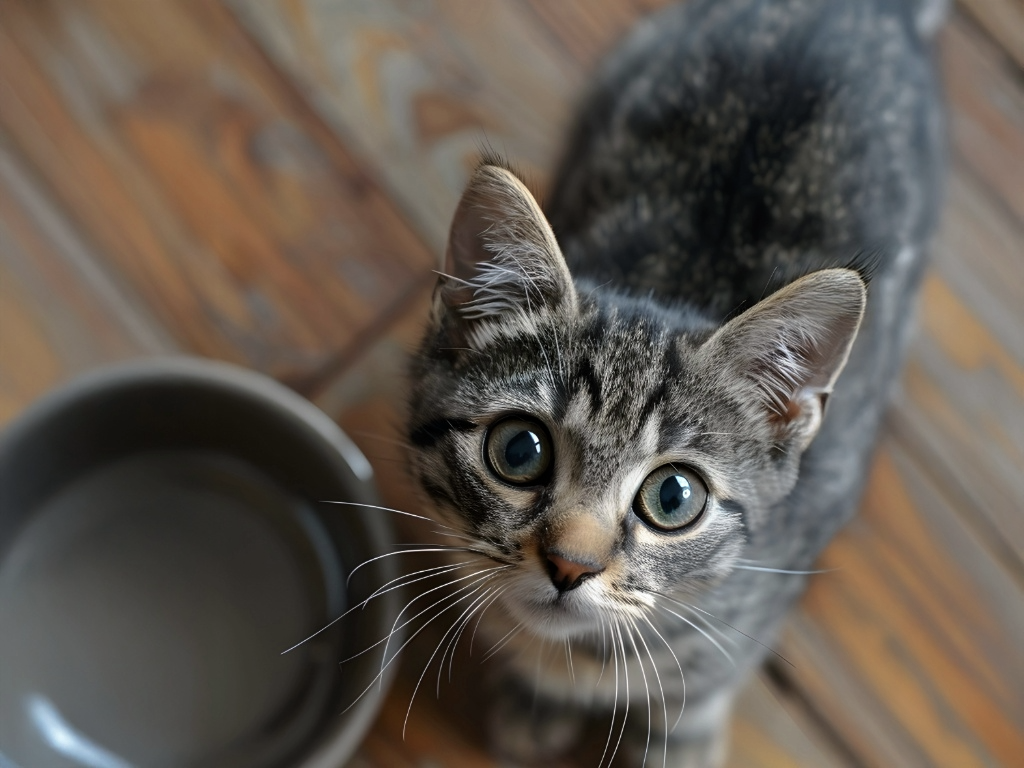
We all have our idea of that perfect meal. Whether that perfect meal is nutritionally sound is a different story. We, as humans, know and tell our stories, but cats do not have that luxury.
Since we speak for cats, we’ll fill you in as part and parcel of our endless pursuit of enriching the lives of felines. A cat’s idea of a perfect meal looks a lot like their natural diet: protein-rich, balanced, and biologically appropriate. High animal-based protein is the perfect fuel for felines. But not all food is created equal — especially when it comes to what’s in your cat’s bowl.
Read on to learn more about what food cats really need to thrive.
What Foods Do Cats Crave?
What kinds of food does a cat crave? Cats are obligate carnivores, not omnivores (like humans). They crave food rich in animal protein, fat, and moisture. This is why mice are considered the gold standard of feline diets.

Cats crave meaty flavors — what scientists call ‘umami,’ the savory taste that makes animal protein so appealing. Foods high in animal-based protein taste good to cats while giving them the fuel they need to live happy, healthy lives.
What Foods Make Cats Unhealthy?
While the holidays represent comforting meals with loved ones, it’s important to talk about the foods that your cat has a hard time processing.
Walk down any pet-food aisle and you’ll see plenty of bright packaging and bold claims — but what’s inside might tell another story. Many of the biggest brands on the market today rely heavily on carbohydrate sources and plant-based proteins such as:
● Oats, barley, tapioca
● Soybean meal
● Corn gluten meal
● Wheat gluten meal
● Pea protein
● Soy protein concentrate
● Rice protein
● Potato protein
● Bean protein concentrates
● And more
Carbohydrates (CHO) do provide energy and are easy to manufacture into dry kibble. However, cats have no biological requirement for carbohydrates, and their bodies do not process them efficiently. Diets that rely on carbohydrate or plant protein for bulk calories may satisfy manufacturing costs more than a cat’s metabolic needs.
Animal-based proteins, by contrast, supply the amino acids cats need for muscle maintenance, tissue repair, and energy without the metabolic strain associated with carb-heavy, plant-based formulas. This “biological mismatch” is backed by research showing that cats fed high-carb diets experience post-meal glucose insulin elevations for up to 18 hours – compared to the 2 – 3-hour elevations that humans and other omnivores typically experience.
Key Biological Facts
Diets high in carbohydrates and plant-based proteins raise blood glucose and insulin levels. In cats, these elevations can remain for 12 to 18 hours after a meal. This prolonged response creates an environment of chronic hyperglycemia and hyperinsulinemia, both of which are associated with cellular stress. Prolonged high blood sugar also damages kidneys just like high insulin.
Hyperinsulinemia refers to insulin remaining in circulation at higher levels and for longer periods than the body is designed to handle. Over time, this leads to inflammation and impaired cellular signaling. Chronic inflammatory exposure is believed to contribute to gradual damage in multiple organs, including the kidneys, liver, heart, and joints. This often precedes or coincides with insulin resistance, where cells respond poorly to insulin, keeping blood sugar and insulin levels higher than normal.
Cats do not have a biological requirement for carbohydrates or plant material. The plants a wild cat might ingest are incidental, typically from the digestive tract of prey or small amounts of grass consumed. These provide negligible nutritional value and do not change the fact that cats are built to rely primarily on animal-derived protein and fat.
Carbohydrates and plant ingredients add another complication. They supply compounds that the feline body is not adapted to metabolize efficiently. One example is oxalates, which are common in many plant ingredients. Oxalates are introduced here because they become an important part of the next discussion: how specific plant compounds can place additional stress on the kidneys.
These biological realities set the stage for understanding why certain plant-derived ingredients can pose risks beyond their carbohydrate load.
The Issue with Oxalates and Inorganic Phosphorus
Chronic kidney disease (CKD) is the leading cause of death in cats over five years of age. Understanding what stresses the kidneys is one of the most important things a cat parent can do. At a broad level, inflammation appears to be a shared pathway linking several modern dietary exposures to long-term kidney damage.
These include prolonged elevations in insulin, plant-derived oxalates, and certain forms of phosphorus.
More on Oxalates
Oxalates occur naturally in many plants. When eaten, they bind with calcium to form crystals that can irritate kidney tissue. Over time, this contributes to mineral buildup and reduced kidney function. Oxalates are often described as anti-nutrients because they serve as a defense mechanism for plants; they are not something a carnivore’s body is designed to handle.
Animal-based ingredients do not contain oxalates. They supply amino acids and natural substrates such as bone and plasma that better align with feline biology.
Organic vs Inorganic Phosphorus
Cats need phosphorus, but its biological form determines how the body handles it. Organic phosphorus, found naturally in meat and bone, aligns with a cat’s evolutionary diet and is well-tolerated. In contrast, inorganic phosphorus (man-made) is absorbed much more rapidly, which can raise blood phosphorus and increase kidney workload.
A 2024 review found that inorganic phosphorus increased serum phosphorus in cats, while organic sources did not (Stockman et al., 2024).
A 2018 review published in Nature Reviews Nephrology — which included research from the University of Colorado Anschutz Medical Campus — stated that “CKD is thought to affect 35 – 80% of geriatric domestic cats and is the most common cause of death in domestic cats >5 years… [and the] prevalence of CKD in domestic cats has increased 75-fold (from 0.04% to 3% during the last four decades)” (Stenvinkel et al., 2018). Although the drivers are still being investigated, dietary changes and ingredients not present in a natural carnivore diet are among the leading hypotheses.

Key Takeaway:
It’s not only the amount of phosphorus that matters, but its source. Meat-derived phosphorus aligns with how cats are built to process nutrients; highly soluble inorganic phosphates do not.
At Dr. Elsey’s, our nutritional philosophy prioritizes prey-based, animal-derived minerals to better support long-term kidney health.
What’s Lurking in the Pet Food Aisle?
Remember that not all proteins are created equal. Many widely available “high-protein” formulas still rely on plant meals and cereal grains. For example, several Purina ONE high protein dry recipes list corn gluten meal, soybean meal, or wholegrain wheat among the top ingredients. Purina ONE +Plus Ideal Weight Natural High Protein Adult Dry Cat Food comes in at 41% protein, far below the protein levels of typical prey.
Even diets marketed as grain-free can be problematic to cats. Blue Buffalo Wilderness Grain-Free Chicken Dry Cat Food is marketed as grain-free and “high-protein,” yet still lists sweet potatoes / peas / tapioca starch among the top ingredients. Premium-positioned dry formulas advertised as ‘high protein’ like Blue Buffalo still have carb levels around 28% — far above the ~1% prey-level gold standard. Their high protein formula sits at 38%.
In addition to animal-based protein, we’re focused on keeping our carbohydrate levels as low as possible – since the only carbs a cat gets in the wild is in the belly of its prey. Our cleanprotein™ Chicken Kibble has only 5% carbs (and 59% crude protein).
Why High-Protein Feeds Body and Mind
What does a cat really need from food? It comes down to three things:
● Satiety: Helps cats feel satisfied and reduces overeating (nutrients metabolized slower)
● Health: Supports weight management and lowers diabetes risk
● Energy & Well-Being: Fuels vitality and promotes emotional stability.
Scientific research proves that high-protein diets help preserve lean body mass, enhance satiety and promote metabolic stability. These outcomes directly support feline health and longevity. A diet rich in quality animal protein helps cats stay active, alert, and healthy.
A Note About Uremic Toxins
Some recent research suggests that high-protein diets can increase uremic toxins. Uremic toxins are waste products created when gut bacteria break down protein. In healthy cats, these compounds are filtered by the kidneys and removed in urine.
One 2023 trial (Summers et al.) did observe a temporary rise in a uremic toxin called p-cresol sulfate at week 8. Importantly, levels returned toward baseline by week 12.
The reason appears to be dietary substrate. The study used a very high plant-based protein diet rather than a typical animal-based diet. When gut bacteria are suddenly exposed to large amounts of plant material, they require time to adjust. During this period, more waste compounds are produced. As the microbial community adapts, those levels normalize.
In practical terms, cats digest and metabolize animal protein efficiently because it mirrors their evolutionary diet. Diets built primarily on plant material leave more substrate in the large intestine, where it ferments and produces more uremic toxins until the gut flora adapts.
Debra Zoran’s influential 2002 paper, titled “The Carnivore Connection to Nutrition in Cats” further stresses this evolutionary alignment, emphasizing the ideal target that caters to a cat’s metabolism should resemble the nutrient profile of their prey – minimal carbohydrate and around 55% protein. This reinforces the importance of prioritizing animal-based protein for long-term feline health.
Key Finding:
The temporary rise of uremic toxins was seen only in cats fed high levels of plant-based protein. Animal-based proteins remain the most appropriate substrate for cats and are less likely to drive these shifts.

What to Look for When You Buy Cat Food
When evaluating cat foods for holiday and year-round feeding, choose nutritional profiles that mirror your cat’s natural diet. Many standard dry-kibble formulas list 30% – 50% carbohydrate (on a dry-matter basis) and protein levels in the range of 25% – 40% are common.
Mean nutrient composition of mice is approximately 60% protein, 27–30% fat, and ~1% carbohydrate.
cleanprotein™ kibble provides nutrient values closer to a cat’s natural diet – 56% – 59% protein and just 5% – 8% carbs. That’s nutrition that actually matches what a cat’s body was designed to process.
Protein quality matters just as much as protein quantity. Look for foods high in animal-based protein with digestibility rates above 85%. cleanprotein™ has a true digestibility of 91.9% ± 0.86, meaning your cat can actually absorb and use the nutrients they eat.
This becomes especially important in older/thinner cats who are losing muscle mass. These cats often don’t eat enough calories — and because nutrient absorption declines with age, what they do eat must be high-quality, highly digestible protein.
When dietary protein is insufficient, the body turns to its own tissue for fuel. Instead of building or maintaining muscle, the cat begins breaking it down, becoming weaker and more fragile. High-quality animal protein helps protect against this muscle loss, supporting strength, mobility, and overall vitality.
Creating a Season of Comfort for Cats
As humans indulge in seasonal favorites this holiday, it’s important to give our cats biologically-appropriate food with proper nutritional value.
As responsible cat parents, it’s important to provide lifestyles to our cats that give them the best of both worlds – indoor stability/safety, and nutrition cats were wired to thrive on.
While you enjoy your favorite meals, make sure your cat has theirs, too – food designed just for them, with nutrition that supports health and vitality at every life stage.
Feeding by design means honoring feline biology: high-protein, low-carbohydrate nutrition that reflects a healthy wild diet. Feed with purpose and support your cat’s long-term health with cleanprotein™, food designed to help cats thrive.