

common sense litter, no added scents
Our Mission is Simple...
If it's not good for the cat, we won't make it. Many litters contain added fragrances, but what smells good to us can be harmful to your cat. That's why we've decided to make a change. We're committed to providing natural, unscented litters that block odor without the need for fragrances, ensuring a healthy feline environment.
scents don't make sense
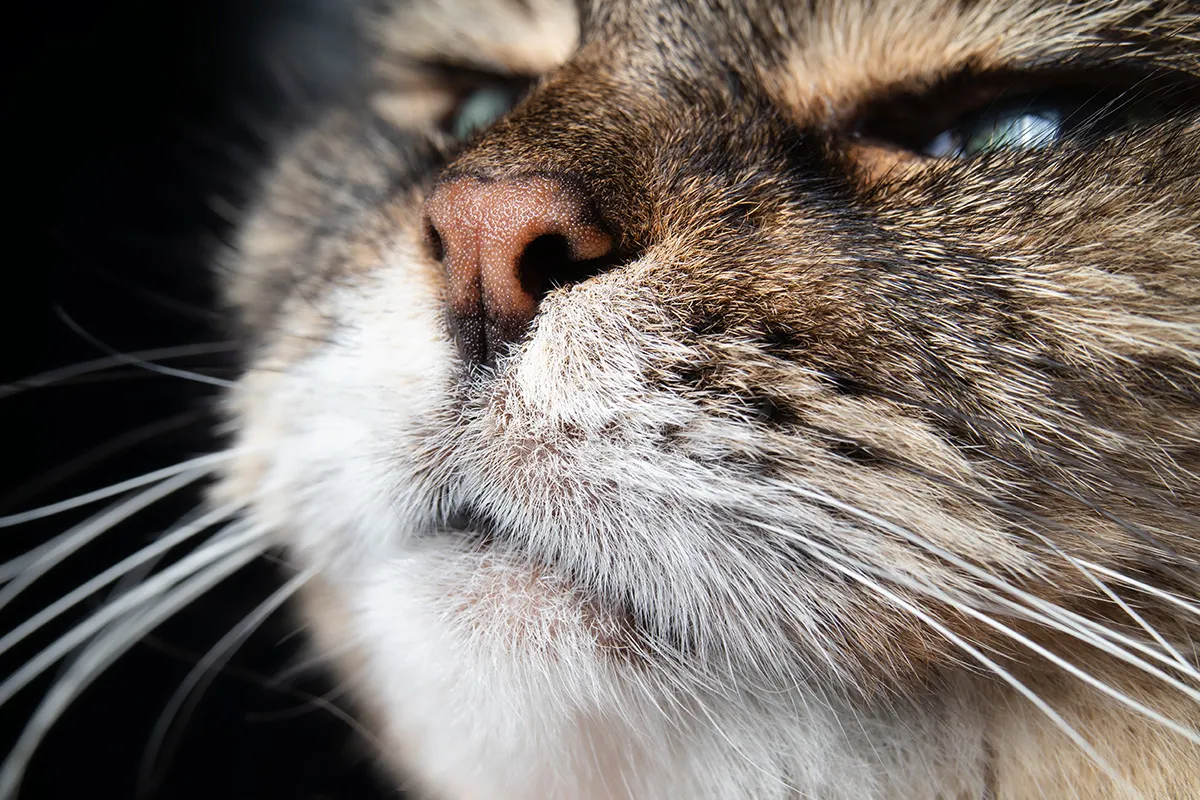
Scented litters can interfere with a cat's natural preferences, sometimes leading to avoidance or inconsistent use of the litter box.
Litter boxes exist for cats, not for people
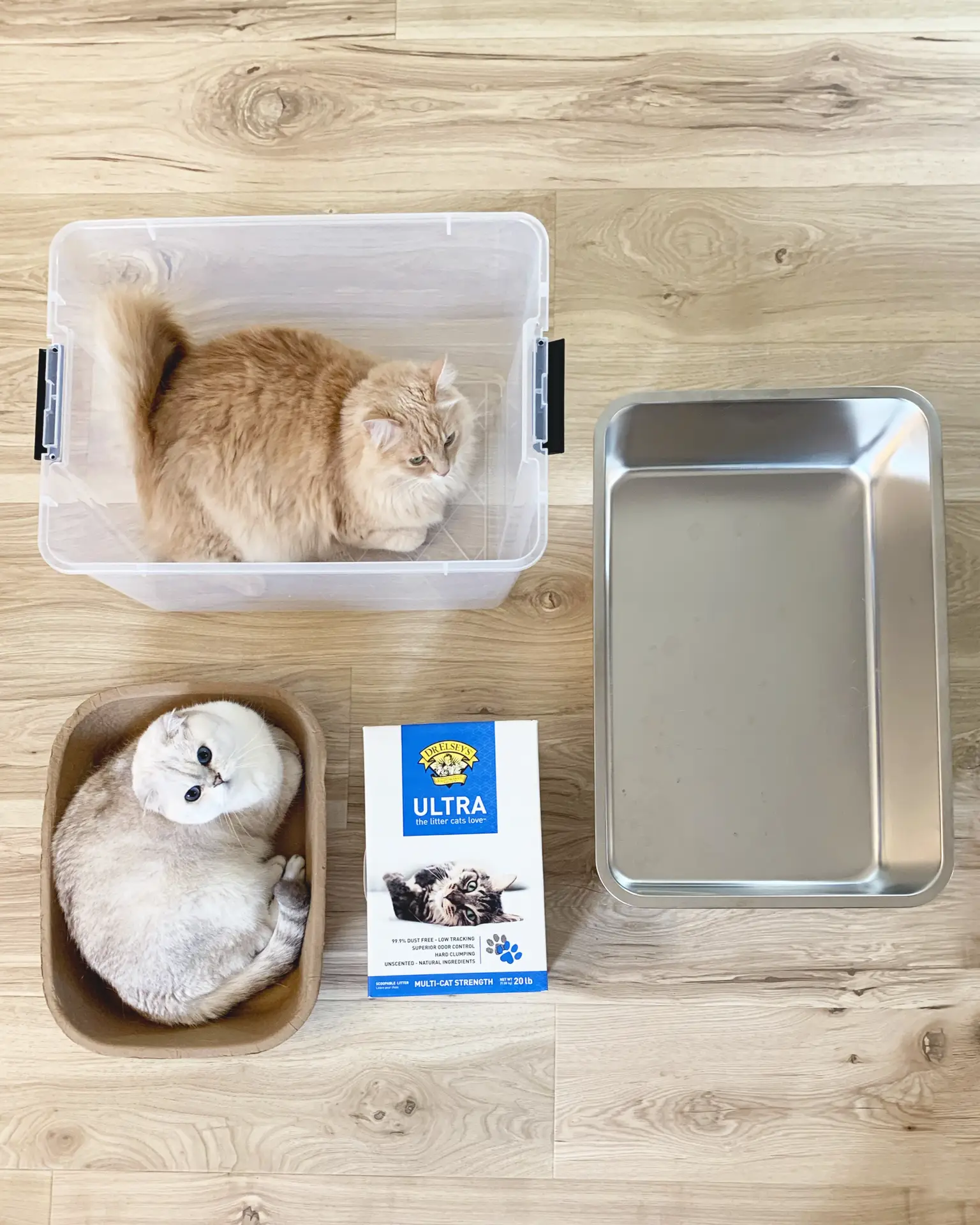
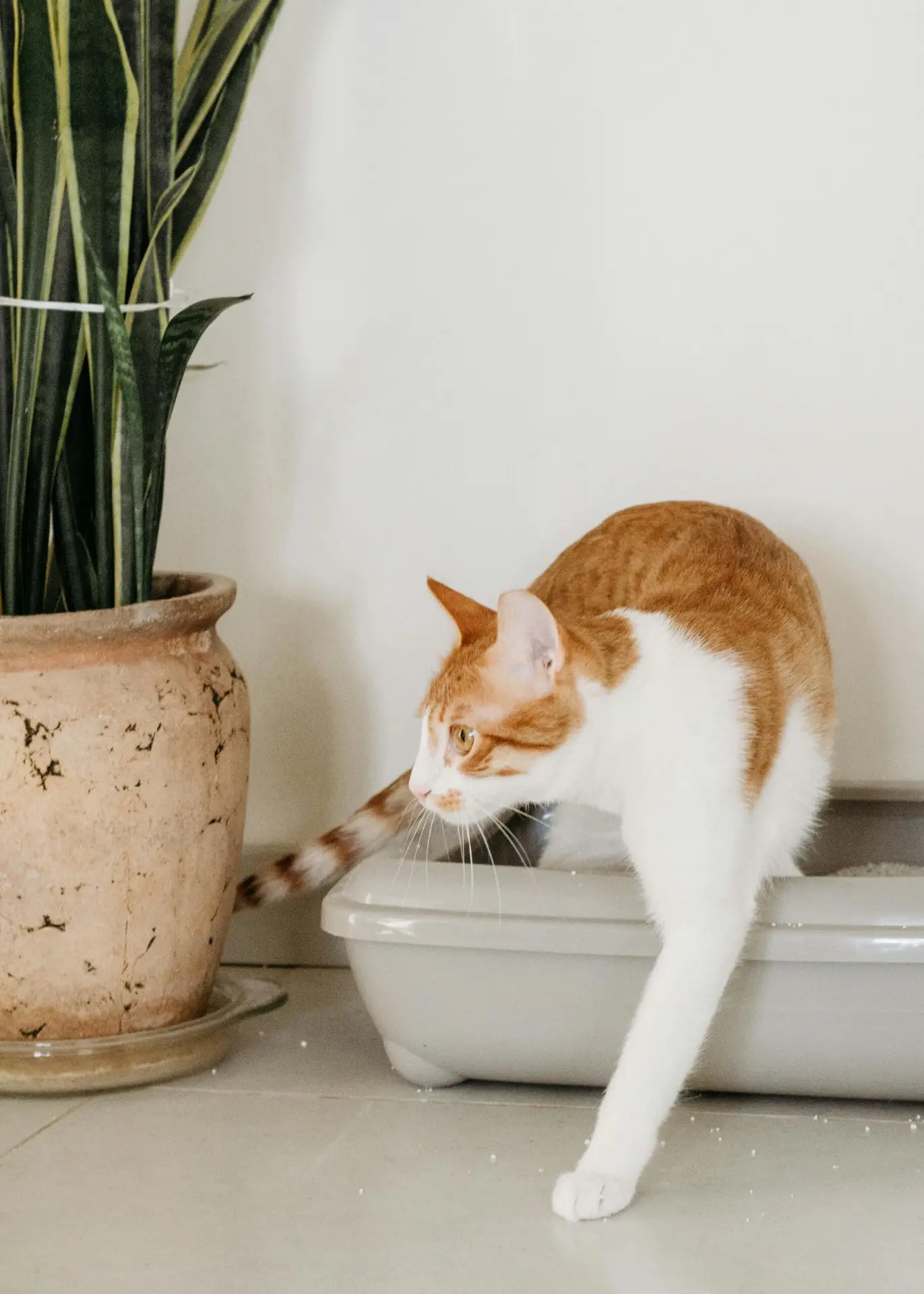
What matters most is how the litter feels, how clean it stays, and whether a cat wants to return to the box. Overpowering scents can interfere with that. And when cats avoid the box, problems follow. A better approach is simple. Make the box comfortable. Make the experience consistent.
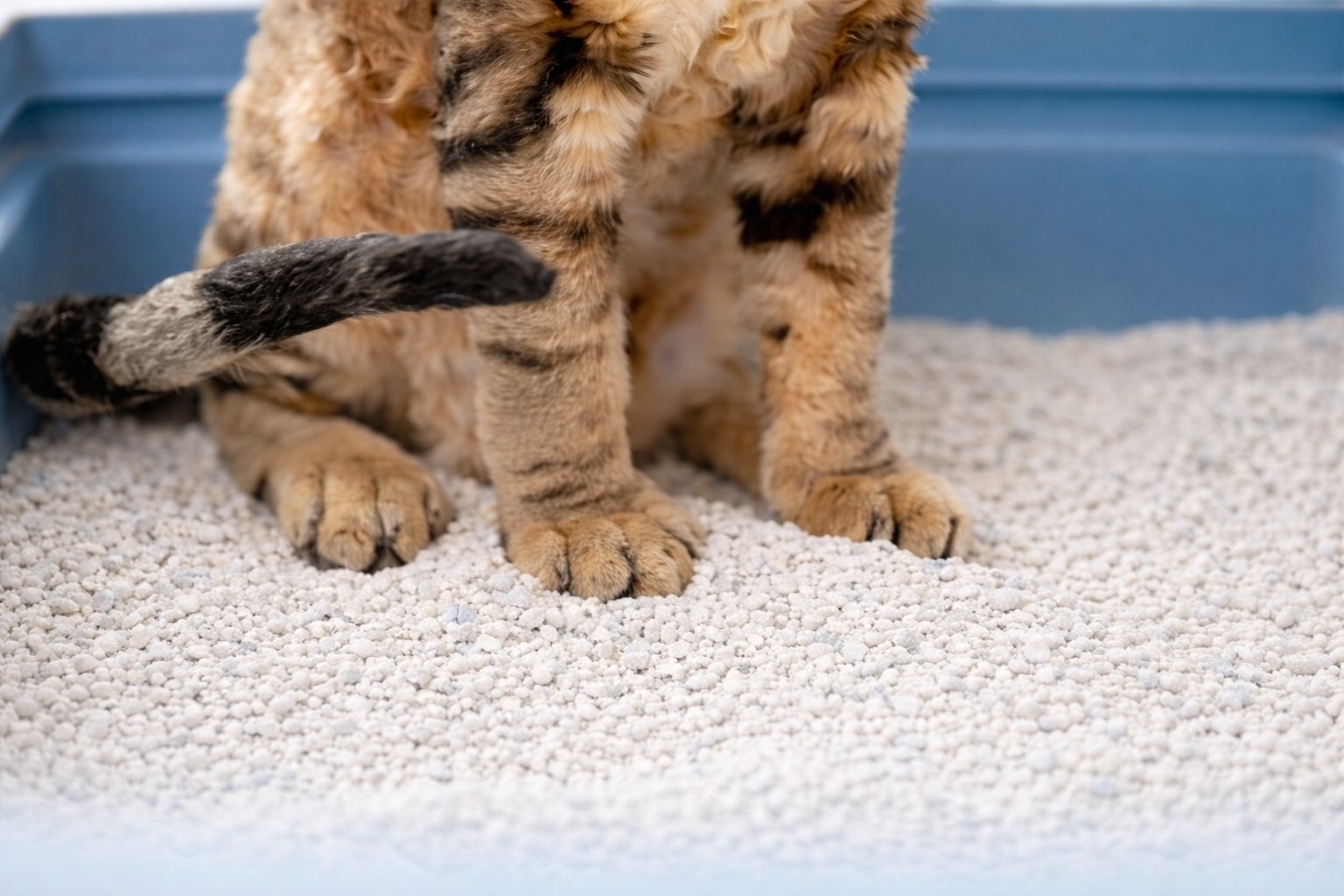
They Care How it Feels
Litter box issues rarely start with attitude. They usually start with discomfort. Texture, smell, and cleanliness all affect whether a cat wants to use the box again. When those things make sense to the cat, consistency follows. It’s not about adding scent. It’s about keeping cats comfortable using the box. That’s just common sense.
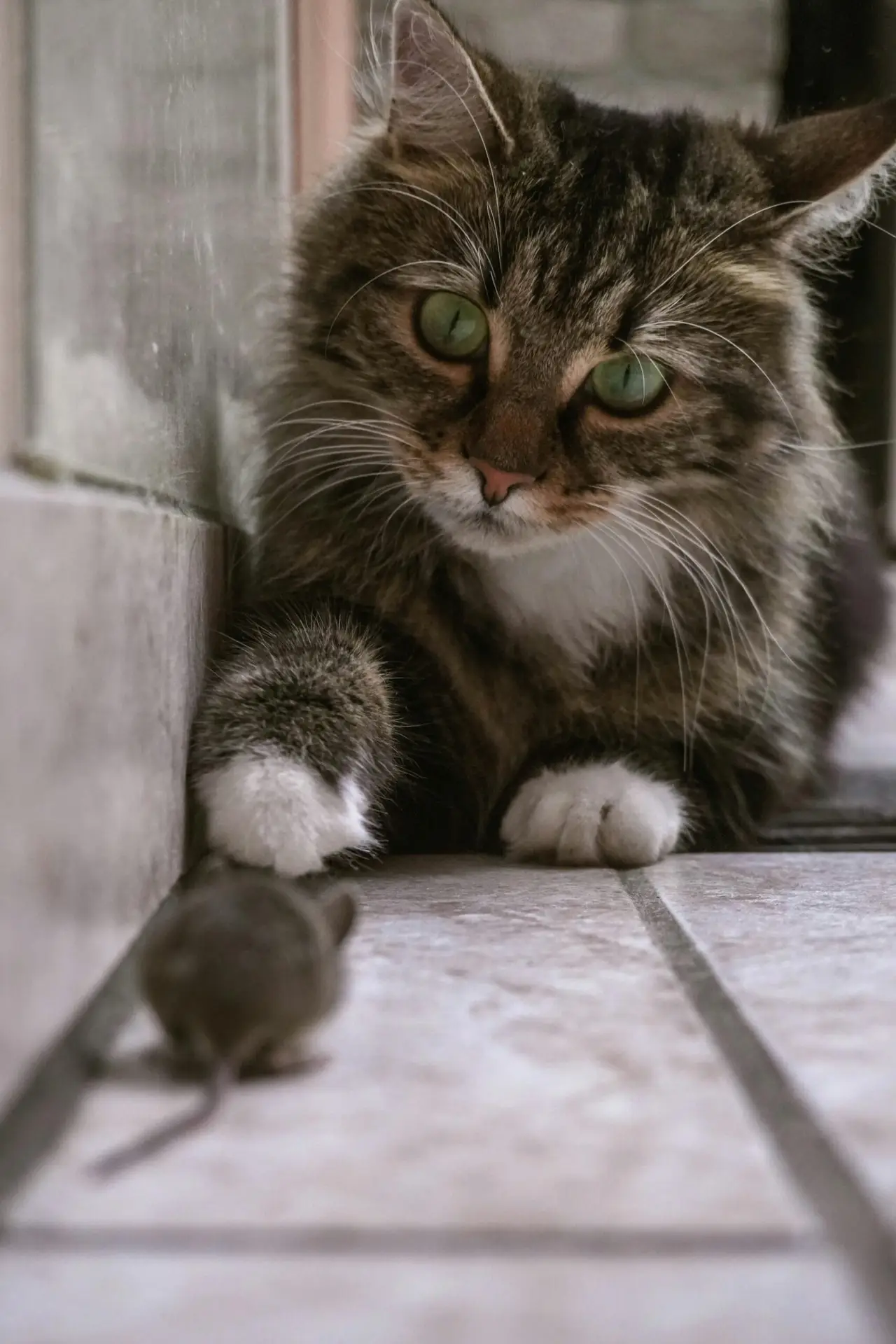
Common Sense Nutrition for Carnivores
Cats are obligate carnivores, built for diets high in animal protein with minimal carbohydrates and plant ingredients. Dr. Elsey's cleanprotein mirrors the nutritional profile of a cat's natural prey.
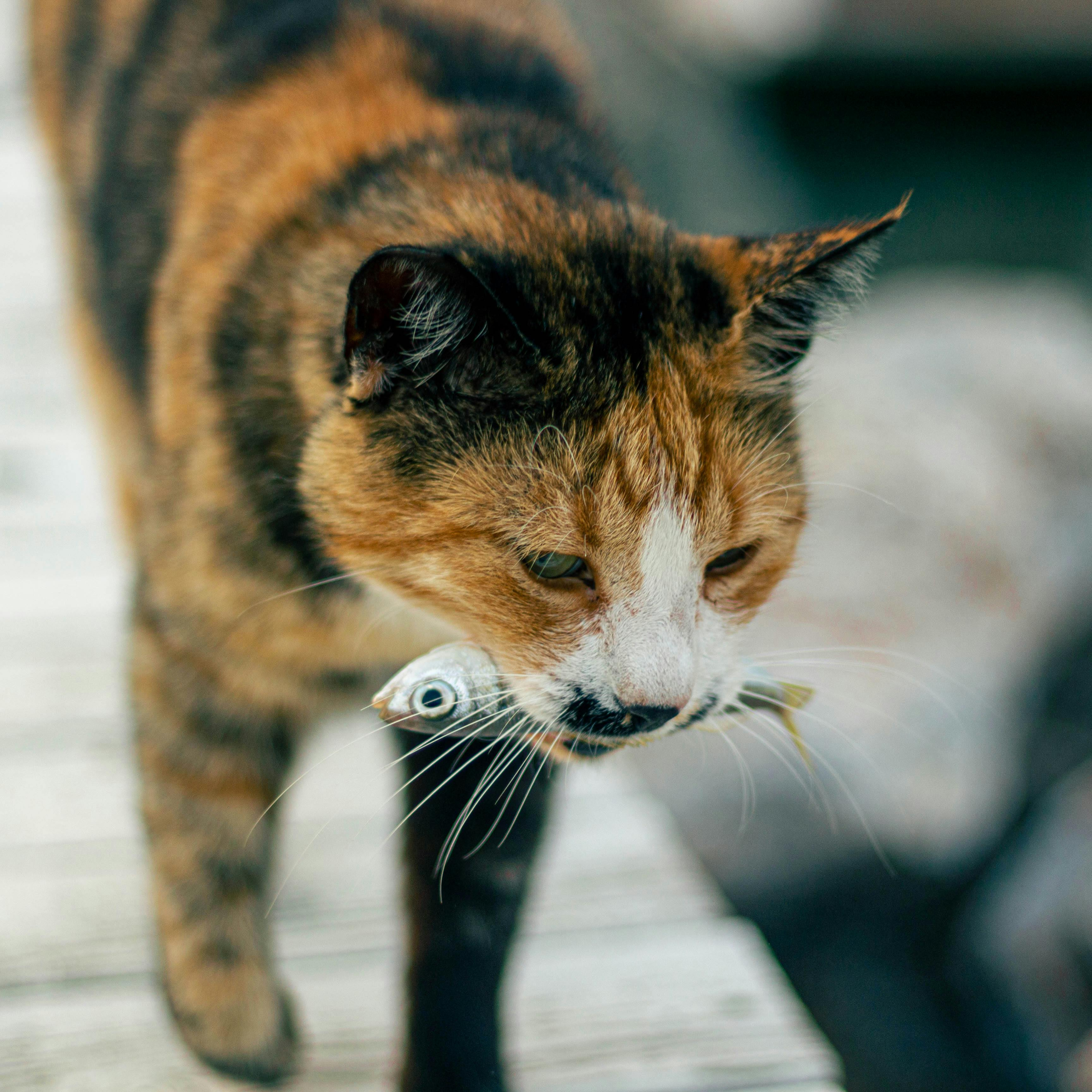
Why Mirror a Cat's Natural Diet?
In practical terms, that means a cat's body can produce all the glucose its tissues need from protein and fat, rather than relying on dietary carbs.
While cats need certain nutrients (amino acids, vitamins, fats) to thrive, carbohydrates are not among them. According to a recent review, "dogs and cats do not have a nutritional requirement for carbohydrates."
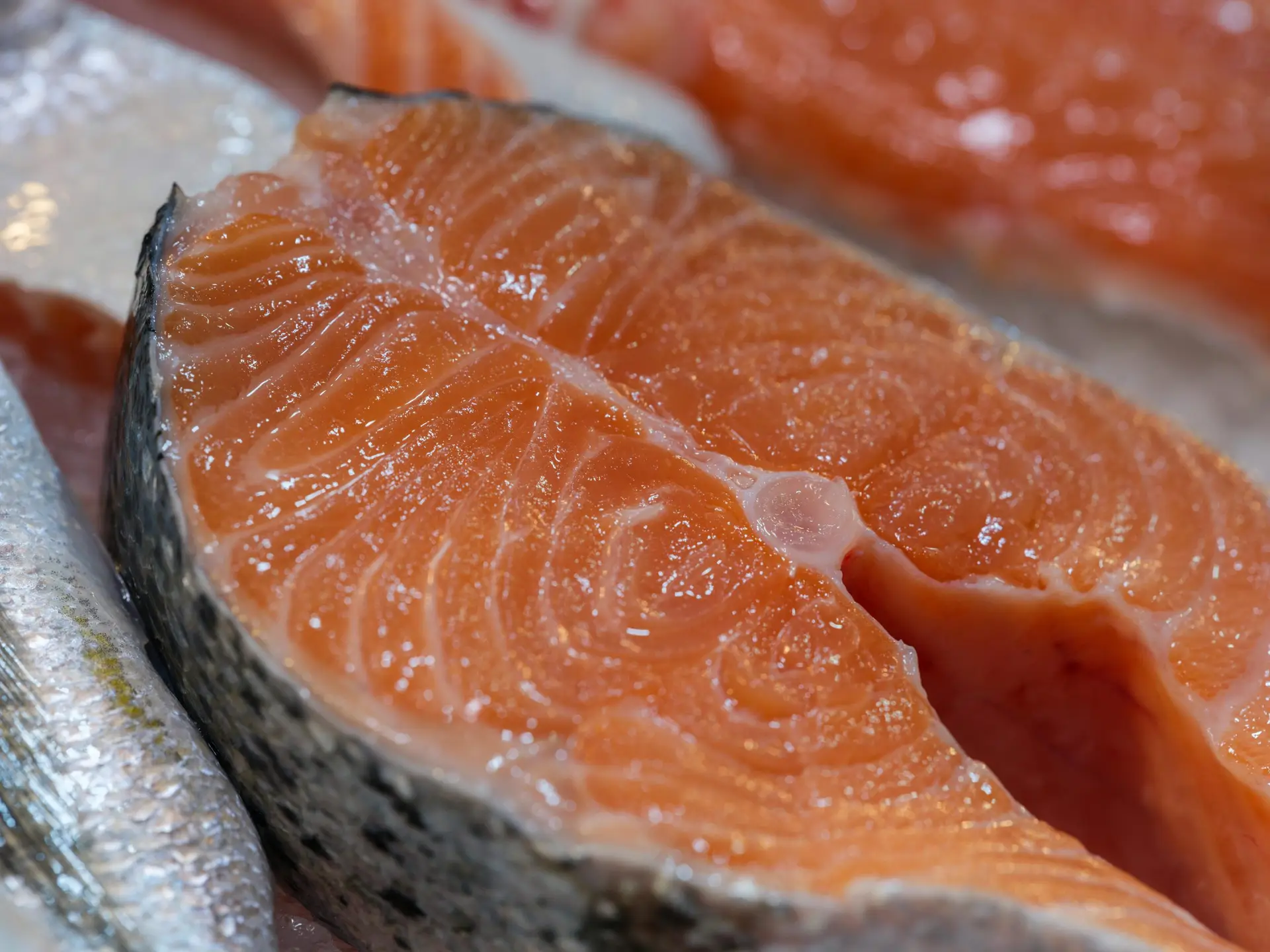
Animal-Based Protein, What it means...
Protein that comes from animal tissue such as meat, organs, and naturally occurring animal components.
Why it matters: Cats are obligate carnivores. They evolved to eat prey, not plants.
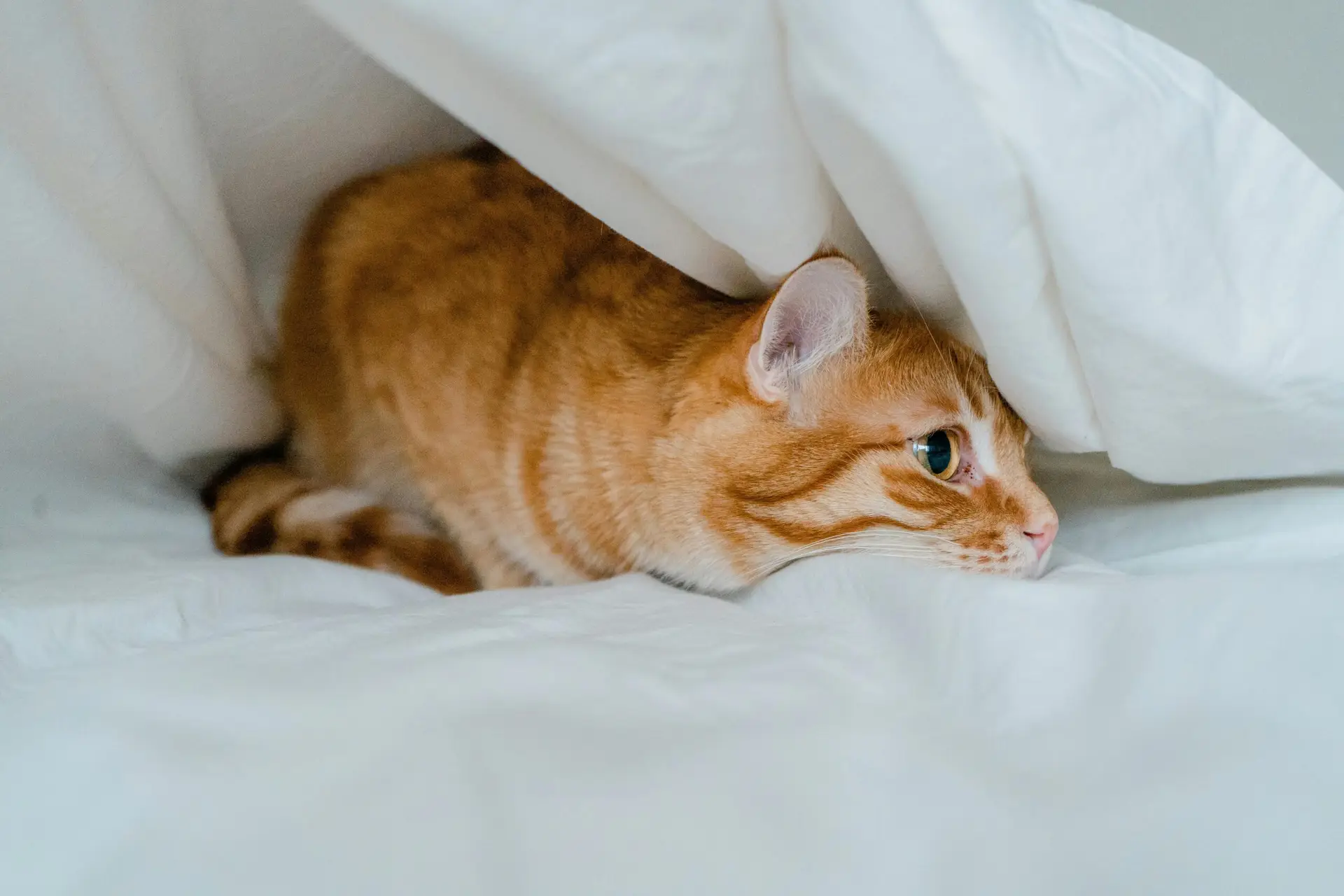
Bread Shaped. Meat Mindset
Carbohydrates are easy to manufacture and easy to add for the folks who make the food. But cats have no biological requirement for them.
That doesn't mean plants are poison. It means they should play a small role, not a starring one. In nature, cats eat prey. Any plant matter comes incidentally, not intentionally. Food should match reality.
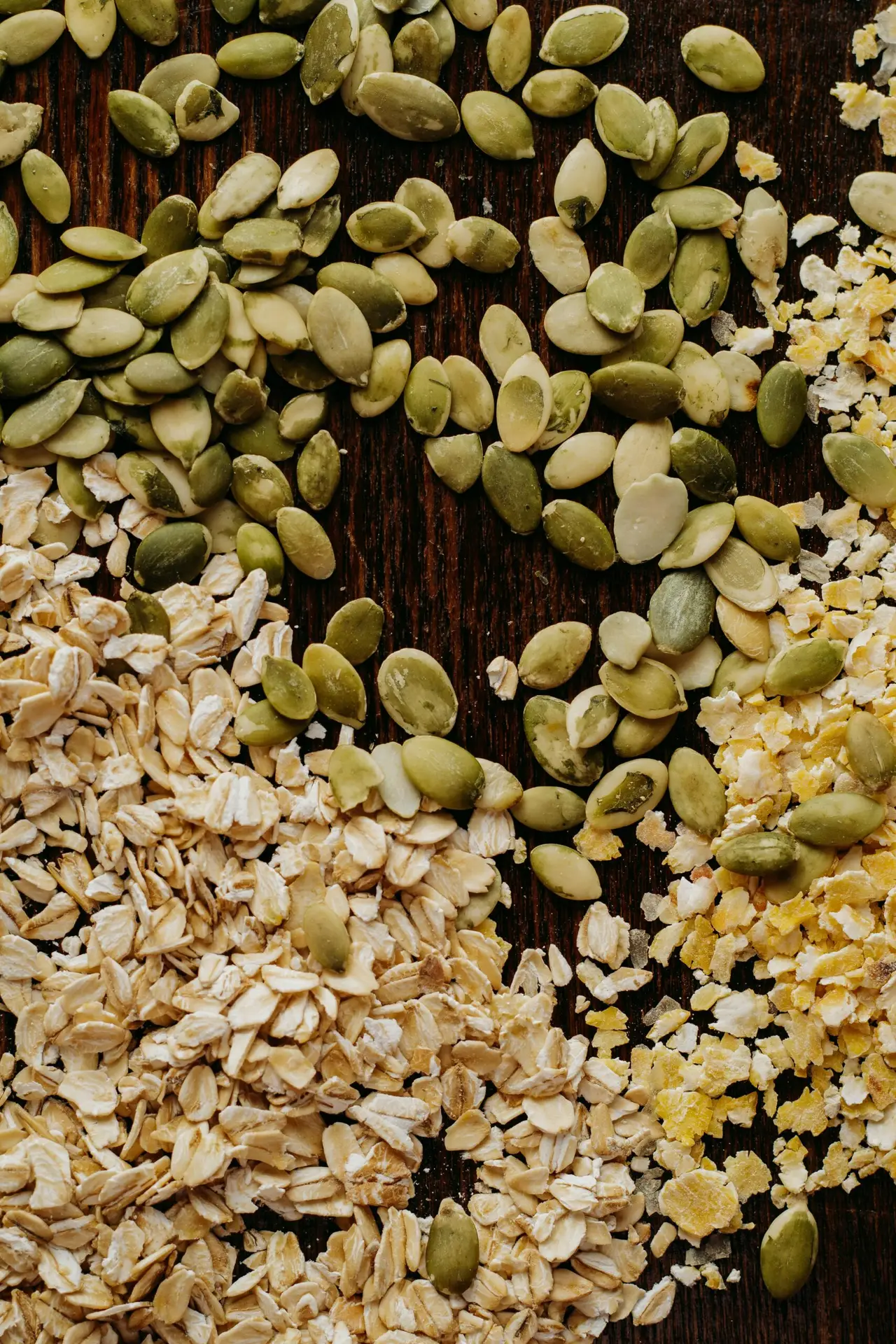
Carbohydrates, What are they?
Carbohydrates are non-protein, non-fat plant-based ingredients that provide starches and fibers. In cat food, they come from ingredients such as peas, potatoes, corn, rice, tapioca, and plant fibers and are used to provide structure, binding, and calories.
Why they matter: Cats are obligate carnivores. They evolved to eat prey, not plants. Prey provides animal protein, animal fat, moisture, and trace fiber, but virtually no starch-based carbohydrates. Because of this, cats have no biological requirement for carbohydrates. Their bodies produce glucose primarily from protein, not from starch.
Meal & By-Products, What are they?
In pet food, “meal” refers to any ingredient that has been rendered, dried, and ground into a concentrated powder. Meals can be made from both animal and plant sources.
Common examples include:
• Chicken meal
• Turkey meal
• Corn meal
• Pea protein meal
• Potato protein meal
“By-products” are secondary parts of an animal left after primary muscle meat has been removed. These can include organs, bone, feathers (poultry), cartilage, and other leftover tissues. Why they matter: Meals are highly processed ingredients. The type of meal matters far more than the word “meal” Itself. Plant-based meals and protein concentrates are often used to inflate crude protein numbers while delivering fewer usable amino acids for cats.
These plant meals:
• Have lower biological value for carnivores
• Are less soluble and less digestible
• Produce more metabolic waste
• Increase inflammatory load
• Contribute to urinary and kidney stress
Rendered animal meals can also vary widely in quality and mineral content and may increase ash and phosphorus levels, making precise mineral control more difficult.