

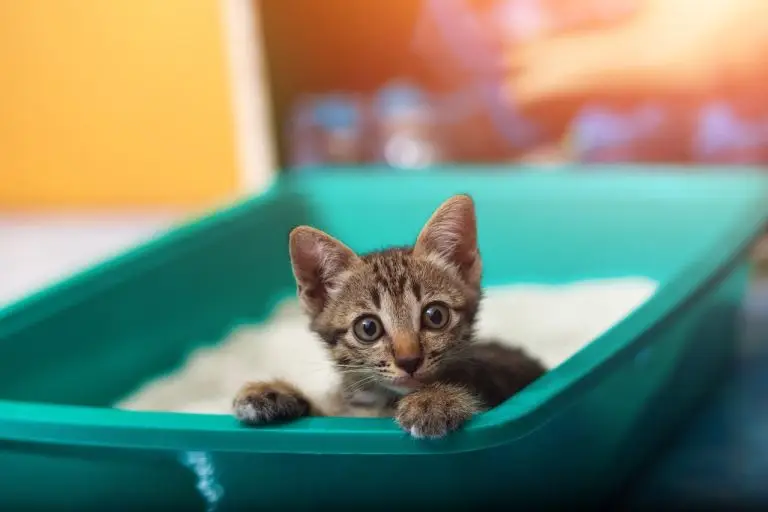
Have you noticed that the cat litter aisle has undergone a quiet shift? There’s traditional clay litter, of course, but there are also substrates such as tofu, walnut shells, pine, paper, grass and other materials adorning the shelves of grocery and pet specialty stores.
Many of these substrates are promoted according to what appeals to the person buying the bag: natural, lightweight, plant-based, biodegradable or low tracking.
But those labels don’t answer the most important question: Does the material actually work as cat litter?
Cats naturally seek loose material in which they can dig and bury their waste. Before commercial litters, people who cared for cats used whatever was available and close at hand — sand, soil, sawdust, and even fireplace ashes.
Although these materials were readily available, they presented practical problems:
Early iterations of cat litter imitated the outdoors, but they fell short in one critical area: indoor functionality.
In the 1940s, 27-year-old Navy veteran Edward Lowe worked for his father’s business in Michigan. Lowe & Lowe supplied industrial customers with products like sand, sawdust and absorbent materials that were primarily used to clean up oil and grease spills.
In 1947, Lowe’s neighbor, Kay Draper, came looking for sand that she could use for her cat’s box. Prior to this, she was using ashes, which left sooty paw prints around her home. Many accounts add that her sand pile had frozen during the Michigan winter, turning a practical necessity into an unlikely innovation.
Lowe recounts in his autobiography, The Man Who Discovered the Golden Cat, when Draper came looking for sand, Lowe offered up a granulated absorbent clay (known as fuller’s earth), a material that had originally been sent to the family business as a sample by another company hoping Lowe & Lowe would sell it as an industrial absorbent. Draper tried it and returned for more because the material absorbed moisture better than sand and created less mess around the house than ashes. Lowe quickly realized that this industrial material could solve an ordinary household problem.
Lowe began packaging the clay in five-pound bags under a new name: Kitty Litter. When a local pet store questioned whether customers would pay for clay when sand was nearly free, Lowe offered the first bags as samples. Customers not only expressed a need and an interest, they began asking for the product by name.
Lowe began taking his Kitty Litter to pet stores and cat shows. By 1949, Lowe was advertising nationally and starting to ship his product all over the country.
It’s important to note:
Early clay litters absorbed urine throughout the material, meaning the soiled clay could not be isolated and removed precisely.
What did that look like to a cat and a person taking care of a cat?
The cat would go to the bathroom and the clay would absorb the liquid — but it did not bind to form a removable clump.
Solid waste could be scooped out, but urine-soaked clay would remain in the box. Cat parents could stir the litter to distribute moisture, which would extend the life of the litter. Eventually, the clay became saturated or the box would begin to smell, prompting cat parents to empty the box and replace the litter entirely.
The next major advancement would not simply absorb moisture. It would separate the soiled clay from the clean.
Bentonite had been mined and used in industrial applications for nearly a century before entering the litter box. Biochemist Thomas Nelson is widely credited with recognizing bentonite’s clumping potential in the early 1980s — accounts vary on the exact year and circumstances, but the breakthrough itself reshaped the litter box. Nelson observed that this particular clay swelled and bound together when exposed to moisture. That meant urine-soaked litter could finally be isolated and removed without emptying the entire box.
Sodium bentonite proved particularly effective because it could absorb substantial moisture while forming firm, removable clumps. Cat parents could remove urine-soaked litter while leaving clean material behind. This was more than a convenience feature. Removing soiled material helped maintain a drier, more consistently clean box.
Clumping litter solved a problem for cat parents. The texture of the material helped solve a problem for cats.
Cats don’t evaluate litter according to claims printed on a bag. Their response is driven largely by the experience inside the box and the environment surrounding it.
For a cat, a successful litter-box experience might include:
Research suggests that cats generally prefer finely granular substrates over larger pellets and coarse alternatives. Individual cats can develop their own preferences, particularly based on what they used early in life.
A 2018 field study offered 18 cats three identical, uncovered litter boxes containing clay granules, silica microgranules or wood pellets. Over four weeks, the cats showed a significant preference for the clay and fine silica substrates over the larger wood pellets. When researchers later compared clay and silica with similar granule textures, the cats were significantly more likely to choose the clay for solid waste.
The results do not mean every cat will choose clay under every circumstance. They do suggest that the physical experience of a substrate, including its texture and particle size, can matter more to a cat than the material’s name or the claims used to market it.
No two substrates manage the litter box the same way. While some materials absorb without isolating, others isolate without clumping. Other substrates may prioritize weight or biodegradability over texture.
Here’s how each major category performs in the litter box:
This can include corn, wheat, grass, walnut and tofu:
Laid side by side, no material fails outright. Each material has its own benefits. Some have their own unique strengths and drawbacks for end users. For instance, silica holds moisture but can feel uncomfortable underfoot. Wood and paper substrates may be lightweight, but they rarely form a true clump. Plant-based materials vary so widely that the term is a poor indicator of how the material in question will ultimately perform.
Sodium bentonite is the one material that manages to avoid most trade-offs simultaneously.
Sodium bentonite became the standard because it addresses both sides of the litter box, proving practical for cats and the people who care for them.
For cats:
For cat parents:
Sodium bentonite solves several competing problems within one material.
Not every sodium bentonite litter performs identically. Sodium bentonite provides the foundation. How that clay is selected and processed determines what reaches the litter box. The finished experience also depends on:
At Dr. Elsey’s, those differences allow us to formulate clay litters around the needs of cats and the households they share. Smaller granules provide a gentler texture for kittens, while larger granules can help reduce tracking. Other formulations prioritize firm clumping, respiratory considerations or compatibility with automatic litter boxes. The underlying clay matters, but so does every decision made before it reaches your cat’s box. Across these different formulations, Dr. Elsey’s litters remain unscented by principle.
Every cat is an individual, and the litter they already use successfully matters. An abrupt change in material, texture or scent can lead to litter-box hesitation or avoidance. When introducing something new, gradually mix small amounts into the cat’s existing litter. Increase the proportion over time, allowing the cat to become accustomed to the new material before making a complete change.
If you’re curious about a new substrate, observe your cat’s behavior and acceptance rather than relying solely on marketing claims. The material you choose must be practical for you, but it must work for your cat first and foremost.
Substrate is only one part of the litter-box experience. A clean, accessible box in a quiet, suitable location matters just as much.
Cat litter has evolved far beyond sand and ashes, but the best materials still succeed by respecting the same instinct cats have always had: find a loose, comfortable place to dig, eliminate and cover what they leave behind.
If you’re evaluating a switch, look past the label and toward what actually performs, for your cat and your routine. Explore Dr. Elsey’s full lineup of litters to find the formulation that fits your household.
Sodium bentonite has been widely used in clumping cat litter since the 1980s and is generally considered safe for cats when used as intended. During normal litter-box use, cats interact with the granules rather than consume them, and routine incidental exposure from digging or grooming is not the same as deliberately eating litter.
As with any substrate, the finished formula matters. Cat parents should choose a low-dust, unscented litter and speak with their veterinarian if their cat has a respiratory condition. A cat that repeatedly eats litter should also be evaluated, as persistent litter consumption is abnormal and may indicate an underlying medical or nutritional issue.
Clumping litter allows urine-soaked material to be isolated and removed during daily scooping, helping preserve the dry litter left behind. Non-clumping litter absorbs urine but typically requires more frequent full replacement because the affected material cannot be removed as precisely. The best option ultimately depends on the cat’s acceptance, health needs and household maintenance routine.
Not every cat has the same preference, but research suggests many cats favor fine, granular substrates over large or coarse pellets. Clay litter can provide a loose, soil-like texture that supports digging and waste burial. Familiarity also matters, so a cat that has successfully used another substrate for years may prefer to continue using it.
Plant-based does not automatically mean better for every cat or household. Corn, wheat, grass, walnut, wood and tofu litters differ in texture, clumping ability, moisture containment, odor control and maintenance requirements. Some cats readily accept these materials, while others resist their texture or scent. Each litter should be judged by how well it performs and whether the cat reliably uses it.
Many pellet litters feel substantially different from the fine sand or soil cats may naturally seek. Their larger size and firmer texture can make digging, footing and waste burial less comfortable for some cats. A cat accustomed to fine-grained litter may need a gradual transition, while some cats may continue to reject pellets even after a careful introduction.
Go gradual: mix a small amount of new litter into what your cat already uses, then increase the ratio over several days as they show acceptance. Try not to change more than one variable at a time (swapping the litter box, changing locations, etc.). One variable at a time will make it easier to identify issues.
No. Added fragrance may mask an odor temporarily, but it does not remove the urine or feces which cause the odor. Some cats may also find strong fragrances intrusive, making scented litter less appealing to use. Firm clumping, effective moisture containment and regular scooping control odor at its source without relying on added fragrance.
Larger or heavier granules can help reduce the amount of litter carried away on a cat’s paws, but granule size is only one factor. Paw shape, coat length, digging behavior, litter depth and the area surrounding the box can all affect tracking. Larger granules may also feel less comfortable to cats that prefer a finer substrate, so tracking control should be balanced against feline acceptance.
No. Crystal litter is typically made from porous silica gel that absorbs urine into its particles and gradually releases moisture through evaporation. Sodium bentonite clay absorbs liquid and binds affected granules into removable clumps. The two materials therefore differ in texture, maintenance and how they manage urine.
No. Cat litter and the waste it contains should never be flushed down the toilet, even when the litter is marketed as flushable. Cat feces can contain Toxoplasma gondii oocysts, which may survive wastewater treatment and enter aquatic environments, where the parasite can infect marine mammals. Clumping litter can also expand and obstruct household plumbing or wastewater systems. Used litter should be securely bagged and disposed of with household trash.