

Nobody wants their home to smell like they have cats. It’s one of the reasons scented litter exists in the first place. Lavender, fresh linen and other fragrances promise to make the litter box a little less noticeable. But fragrance and odor control aren’t the same thing. And when it comes to the litter box, there’s another nose worth considering: your cat’s.
So, is scented litter bad for cats? Individual cats have their own preferences, but current feline veterinary guidance consistently favors unscented litter and recognizes that some cats may find scented litter aversive.
That raises a simple question: Why perfume the litter box at all?
At Dr. Elsey’s, we believe good litter should control odor through performance, not perfume.
Fragrance Isn’t Odor Control
Scented litter and odor control aren’t the same thing. Added fragrances can change what you smell around the litter box, but fragrance itself doesn’t remove the source of the odor. Effective odor control starts with performance: managing moisture, forming strong clumps and allowing waste to be completely removed from the box.
Choosing unscented litter doesn’t mean having to accept an odor-filled home. A high-performing litter can control litter box odor without adding another smell on top of it. The goal shouldn’t be to perfume the litter box. It should be to keep it from smelling in the first place.
Who Is the Fragrance Really For?
Added fragrances are designed to appeal to people. Your cat isn’t looking for a particular fragrance when they step into the litter box. In fact, feline veterinary guidance extends beyond the litter itself. Guidelines for creating cat-friendly environments recommend minimizing perfumes and other strong scents that may overwhelm your cat.
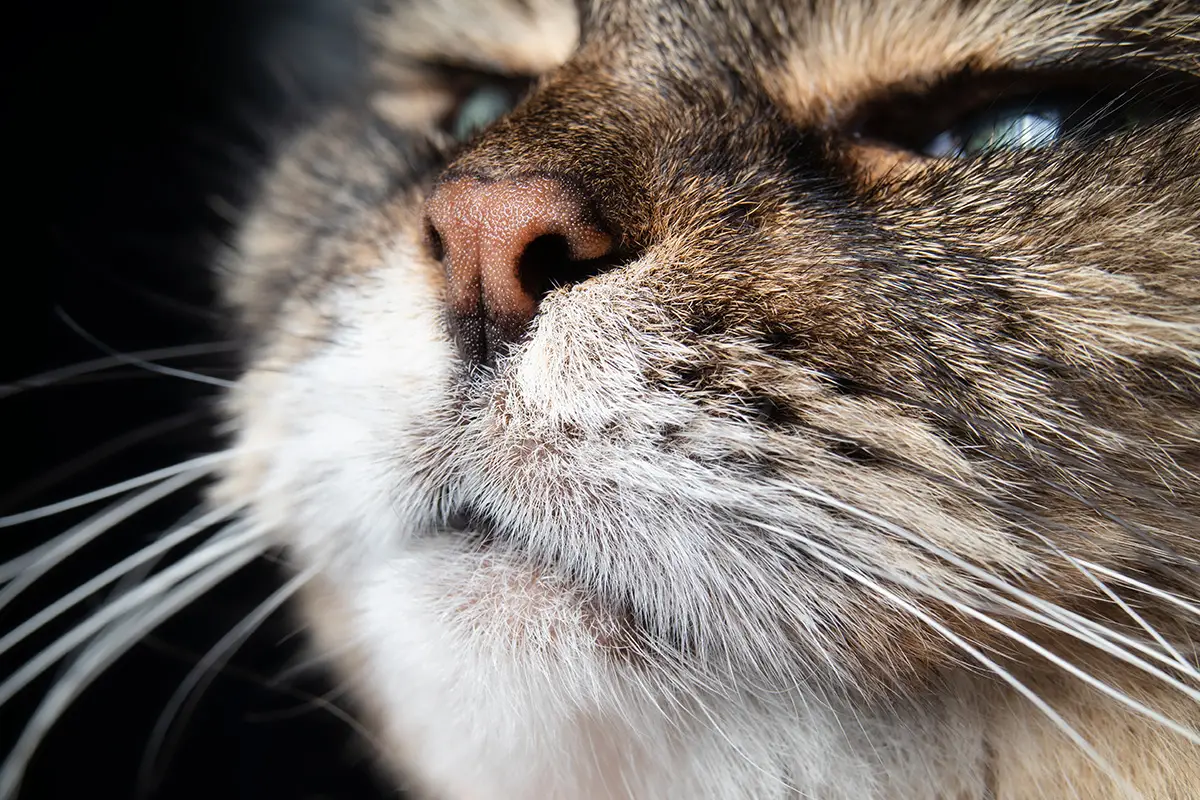
Cats experience their environment through a highly developed sense of smell, so what seems pleasantly fragrant to us can be far more noticeable to them. When choosing a litter, it’s worth looking past what appeals to the human nose and considering the cat who actually has to use the box.
After all, the litter box is theirs.
What Do Cats Prefer?
Cats have individual preferences, but the veterinary guidance around litter has remained remarkably consistent. Across feline life-stage and cat-friendly environment guidelines, unscented litter repeatedly emerges as the preferred starting point. The 2021 AAHA/AAFP Feline Life Stage Guidelines state that most cats prefer plain, unscented litter and note that some cats may find scented litter significantly aversive.
The 2022 ISFM/AAFP Cat Friendly Veterinary Environment Guidelines reach a similar conclusion, stating that unscented clumping litters are generally preferred by cats. Those guidelines also recommend avoiding perfumes and other strong scents that may overwhelm a cat’s sensitive sense of smell.
Individual cats may have their own preferences, but the broader guidance points in a clear direction: when choosing litter for a cat, unscented is a good place to start.
Litter Box Stress and FIC
Litter-box preferences can have implications beyond convenience. Feline idiopathic cystitis, or FIC, is a painful lower urinary tract condition with no single identifiable cause. Stress and environmental factors can contribute to flare-ups, which is why creating a predictable, cat-friendly environment is often part of managing the condition.
This does not mean scented litter directly causes FIC. However, if a cat finds added fragrance aversive, a heavily fragranced litter box can become another unwelcome element in their environment. The 2021 AAHA/AAFP Feline Life Stage Guidelines note that unscented clumping litter may be preferred for cats with a history of urinary problems.
Changes such as frequent urination, straining, blood in the urine or urinating outside the litter box require veterinary attention. A cat that is unable to pass urine needs emergency care.
Why Dr. Elsey’s Chose Unscented
Dr. Elsey’s once offered a scented litter. We ultimately made the decision to discontinue it because it no longer aligned with what we believe is best for cats.
Our philosophy is simple: If it’s bad for the cat, we won’t make it. That principle guides the products we develop, the ingredients we use and, sometimes, the products we choose to leave behind.
Dr. Elsey’s Ultra reflects that philosophy. Made with natural clay and without perfumes, deodorants or fragrances, Ultra provides strong clumping and effective odor control without having to cover one smell with another.
When products sit on shelves, the word “unscented” can make it sound like something is missing. We see it differently. When a litter controls odor through performance, there’s no reason to cover it with perfume. Crafting unscented litter is a deliberate choice rooted in the cat who actually has to use it.
Performance Without Perfume.
How to Keep the Litter Box Fresh Without Fragrance
Keeping litter box odor under control starts with the litter itself, but even the best litter works better with good litter box habits. Aim to scoop waste twice a day, maintain an adequate depth of litter and replace litter as needed rather than waiting for odor to become noticeable.
The box itself needs attention, too. Periodically empty and clean it using mild, unscented products, avoiding strong fragrances that can linger after the box is returned to your cat.
For multi-cat households, provide one litter box for every cat, plus one extra, and place them in different areas of the home rather than side by side. Giving cats adequate litter box space can also keep individual boxes from becoming overused between cleanings.
A clean home and a cat-friendly litter box don’t require added fragrance. Start with a litter that controls odor effectively, keep the box clean and let performance do the rest.
Your home doesn’t need to smell like you have cats. Your litter doesn’t need to smell like perfume, either.
Performance Without Perfume
Choosing unscented litter doesn’t mean choosing between your cat and a clean-smelling home. With the right litter and good litter box habits, you can control odor without adding fragrance to the equation.
For nearly 40 years, Dr. Elsey’s has approached litter from the cat’s point of view. That means focusing on what belongs in the litter box and leaving out what doesn’t. Our unscented litters are designed to deliver the clumping, odor control and performance cat parents expect and cats rely on, without perfume.
Odor control should come from the litter’s performance, not added fragrance.
Dr. Elsey’s. Performance Without Perfume.
Frequently Asked Questions
Is scented litter bad for cats?
Not every cat reacts to scented litter the same way, but feline veterinary guidelines generally favor unscented litter. The 2021 AAHA/AAFP Feline Life Stage Guidelines state that most cats prefer plain, unscented litter and note that some cats may find scented litter significantly aversive.
Do cats prefer scented or unscented litter?
Veterinary guidance generally points toward unscented litter. The 2022 ISFM/AAFP Cat Friendly Veterinary Environment Guidelines state that unscented clumping litters are generally preferred by cats and recommend avoiding perfumes and other strong scents that may overwhelm a cat’s sensitive sense of smell.
Why is unscented cat litter better for cats?
Unscented litter removes an added fragrance from the litter box environment. Because cats have a highly developed sense of smell, choosing unscented litter allows the focus to remain on characteristics such as texture, clumping and cleanliness rather than a fragrance designed primarily for people.
Does unscented cat litter control odor?
Yes. Fragrance and odor control are not the same thing. A high-performing unscented litter can control odor by managing moisture, forming strong clumps and allowing urine and feces to be removed from the box rather than covering odors with added perfume.
How can I keep my litter box from smelling without scented litter?
Scoop waste regularly, maintain an adequate depth of litter and replace litter as needed. Periodically clean the box with mild, unscented products. In multi-cat homes, provide one litter box per cat, plus one extra, and place boxes in different areas of the home.
Sources
Quimby J, et al. 2021 AAHA/AAFP Feline Life Stage Guidelines.
Taylor S, et al. 2022 ISFM/AAFP Cat Friendly Veterinary Environment Guidelines.
Taylor S, et al. 2025 iCatCare Consensus Guidelines on the Diagnosis and Management of Lower Urinary Tract Diseases in Cats.
Feline Veterinary Medical Association. Feline House-Soiling: Useful Information for Cat Caregivers.