
Rethinking Indoor Cat Care: A Cat-First Approach
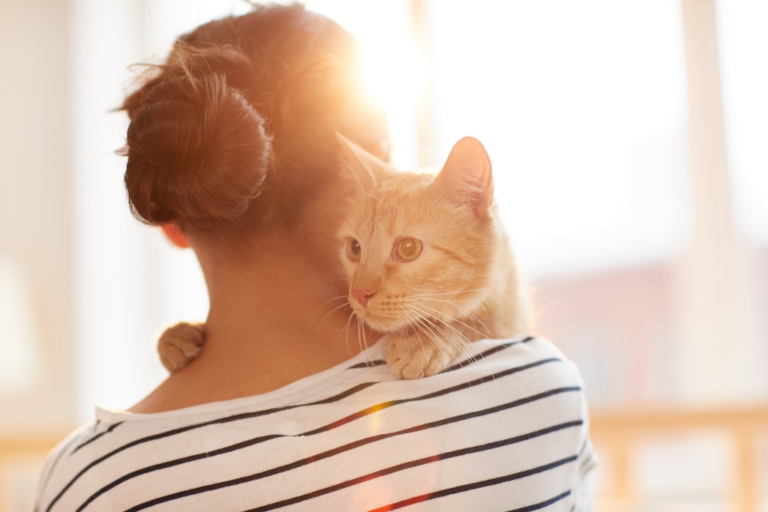
Cats were not built for the same lifestyles many humans create for them today. An indoor cat may live a safer life, but it also lives a more controlled one.
Food appears in a bowl instead of being hunted. Territory is limited to the walls of a home. Sleep happens on couches instead of in hidden, natural resting places. Even the surfaces a cat walks on, scratches, eats around, and eliminates in are decisions made by someone else.
Table of Contents
Why Indoor Cats Need a Cat-First Approach
Cats still carry the same instincts and behaviors they always have. The cycle remains the same: hunt, catch, eat, groom, sleep. What changes is the environment surrounding it.
At Dr. Elsey’s, we’ve long believed that behavior does not happen in isolation. A cat experiences its world as a connected system where territory, routine, stress, nutrition, and comfort influence one another every day.
That means seemingly small choices, from food and litter to box placement and daily routines, can have a larger impact than many owners realize. When the environment works with the cat instead of against it, behavior often starts making more sense.
The Indoor Cat System
Movement
Indoor cats often have fewer opportunities to stalk, climb, chase, and explore than they would in more dynamic environments.
Food
Meals often become predictable and owner-controlled rather than something earned through hunting and problem solving.
Territory
Cats rely on secure spaces, routine, and access to important resources to feel comfortable in their environment.
Stress
Small disruptions in routine or environment can sometimes have larger effects than cat parents expect.
The Litter Box
The litter box is not a separate issue. It is part of the larger environment the cat experiences every day.
Feeding Cats According to Their Biology
Food is one part of that larger system. Indoor cats may live differently, but their nutritional needs do not disappear simply because their environment changes.
Cats are obligate carnivores, meaning they rely on nutrients naturally found in animal tissues. Indoor life may reduce activity levels and change how calories are used, but it does not replace the need for animal-based nutrition and feeding approaches that work with natural feline behaviors.
At Dr. Elsey’s, we believe food should be considered as part of the environment a cat experiences every day, not simply as calories placed in a bowl.
Feeding for the Cat, Not the Convenience
Cats do not simply require more protein than dogs. Their biology works differently. Cats are obligate carnivores, meaning they rely on nutrients naturally found in animal tissues and do not have a known biological requirement for dietary carbohydrates.
In the wild, cats consume small prey meals throughout the day, deriving calories primarily from animal protein and fat. Indoor life changes where and how a cat eats, but it does not change the biology underneath it.
Cats naturally consume a high-protein diet in the wild, with protein intake estimated around 60% on a dry matter basis. Research has also shown that cats fed higher-protein diets may voluntarily consume more water than cats fed lower-protein formulations. Because many indoor cats already have a naturally low thirst drive, hydration remains an important part of long-term urinary and metabolic health.
Many dry foods include carbohydrates because starches help create and maintain kibble structure during manufacturing. That does not automatically make carbohydrates harmful, but it does raise an important question: if indoor cats are often moving less and living more controlled lives, are we feeding according to convenience, or according to what the cat actually needs?
At Dr. Elsey’s, we believe nutrition should begin with the cat rather than the format. The goal is not simply filling a bowl. It is providing nutrition that works with feline biology rather than asking cats to adapt to ours.
What Matters Most in a Cat’s Diet
When evaluating cat food, it can be easy to focus on marketing terms, packaging claims, or ingredients taken out of context. At Dr. Elsey’s, we believe the better starting point is a simpler question: does this food align with what cats are biologically designed to eat?
Some of the factors we consider most important include:
- Animal-based nutrition: Cats rely on nutrients naturally found in animal tissues and have nutritional needs that differ from many other species.
- Appropriate calorie intake: Indoor cats often have different energy demands than highly active outdoor cats, making portion size and calorie balance important over time.
- Life-stage considerations: Kittens, adult cats, and senior cats can have different nutritional needs.
- Transparency: Clear ingredient information and accessible nutritional details can help cat parents make more informed decisions.
- The individual cat: Health conditions, body condition, activity level, and preferences can all influence what works best for a particular cat.
Nutrition is rarely about finding a single perfect food. It is about creating a feeding approach that works with the cat in front of you.
Variety, Routine, and Feeding Enrichment
Some cat parents are beginning to take a more flexible approach to feeding by rotating between different food textures, moisture levels, and feeding experiences throughout the week. While no single feeding method works for every cat, this type of variety can sometimes help support hydration, enrichment, routine, and long-term food acceptance.
Feeding Approach | Why Some Cat Parents Utilize It |
Dry Food (Kibble) | Convenience, grazing behavior, puzzle feeding, multi-cat routines. |
Wet Pâté | Moisture intake and calorie control. |
Shredded or Homestyle Textures | Sensory variety and feeding enrichment. |
Treats or Topper Rotation | Novelty, reward, and engagement. |
Puzzle Feeders or Hunting Games | Encouraging stalking, chasing, and problem-solving behaviors. |
Mixed Feeding Routines | Combining convenience, hydration, enrichment, and nutritional flexibility. |
At Dr. Elsey’s, we believe feeding is not only about nutrients on a label. It is also part of how cats interact with their environment every day. Routine, enrichment, texture, moisture, and feeding behavior can all shape how a cat experiences food over time.
Putting Cat-First Nutrition into Practice
Our approach to nutrition begins with the same question that guides everything else we do: what does the cat actually need?
Indoor life changes routines, activity levels, and feeding patterns, but the needs underneath them remain the same. That perspective led us toward a nutritional approach centered around animal-based protein and lower carbohydrate levels compared with many traditional dry foods.
Dr. Elsey’s cleanprotein was developed around those principles, starting with the cat first and building outward from there.
Dry food can serve different roles depending on the household and the cat. Some cat parents use it because of convenience, multi-cat routines, travel, or simply because a cat prefers it. The question is not whether food comes from a can or a bag. The more important question is whether the nutritional approach supports the needs of the cat eating it.
Because food is only one part of the indoor environment, what goes into the bowl can also influence what happens in the litter box.
The Litter Box Is Part of the Environment
For an indoor cat, the litter box is not simply a place to eliminate. It is part of the larger environment the cat experiences every day.
Outdoor cats may encounter different surfaces, territories, and elimination areas throughout their lives. Indoor cats typically return to the same litter setup repeatedly, often for years. Texture, scent, dust levels, cleanliness, box placement, noise, routine, and even nearby activity can all become part of how a cat experiences that space.
This is one reason litter box issues are rarely just “bathroom problems.” Cats are highly responsive to their environment, and changes in stress, routine, territory, physical comfort, or household dynamics can all influence litter box behavior.
At Dr. Elsey’s, we’ve long believed the litter box should be approached as part of a larger system rather than as an isolated behavior issue. When cats stop using the box consistently, the question is often not simply “What litter is in the box?” but “What is the cat experiencing around it?”
What Cats Experience in the Litter Box
Cats experience the litter box differently than people do. What may seem like a small detail to an owner — texture, fragrance, noise, cleanliness, dust, placement, or even inconsistency from one bag to the next — can become part of how a cat evaluates that environment over time.
Some of the factors that can influence litter box comfort and consistency include:
- Texture and feel: Cats can develop strong preferences for how litter feels under their paws, particularly if they are older, declawed, recovering from injury, or physically sensitive.
- Cleanliness and clumping performance: Cats generally prefer clean elimination areas, and litter that is difficult to scoop or maintain can gradually affect the condition of the box itself.
- Consistency: Sudden changes in litter texture, scent, or formulation can affect how some cats respond to the box.
- Stress and environment: Litter box behavior is often connected to larger environmental factors such as territory, routine, conflict between cats, household changes, or physical discomfort.
- Dust and air quality: Indoor cats spend their lives sharing enclosed environments, making dust levels and fragrance more important than many people realize.
- Scent and environmental awareness: Cats experience the world through scent far more than humans do, with a sense of smell estimated to be 14x stronger than our own. Because cats rely heavily on scent to assess territory, safety, and familiarity, strong fragrances or overwhelming odors can interfere with how they experience the litter box environment.
Different Cats, Different Needs
No single litter setup works equally well for every cat or household. Age, health, sensitivity, behavior history, household dynamics, and owner preferences can all influence what works best.
At Dr. Elsey’s, our litter lineup was developed around different feline and household needs, rather than a one-size-fits-all approach. The examples below illustrate how different litter types may support different situations.
Litter | Designed Around |
Ultra (Unscented) | An unscented clumping litter that is tough on odors and developed for everyday indoor use. Ultra emphasizes consistency, cleanliness, and long-term litter box acceptance. |
Cat Attract | Developed for cats experiencing litter box challenges, with an emphasis on encouraging comfort and consistency within the litter box environment. |
Kitten Attract | Developed for kittens that are still building confidence and consistency in the litter box environment. |
Respiratory Relief | Developed for households where respiratory comfort, low dust, and a cleaner indoor litter environment are priorities. |
Paw Sensitive | Developed with a finer texture to support comfort for cats with sensitive paws, mobility limitations, or age-related changes. |
Clean Tracks | Developed for indoor households where reducing litter tracking and maintaining a cleaner surrounding environment are priorities. |
Ultra + | Developed for higher-demand litter box environments where odor control is a larger concern, including multi-cat households. Proprietary mineral blends help support a cleaner and fresher indoor environment over extended periods of time. |
Clean Air | Developed as a low-dust, unscented silica gel option for households focused on maintaining a cleaner indoor litter environment. |
Senior | Developed with a finer silica gel texture intended to support comfort and ease of use for senior cats and cats with changing mobility or sensitivity needs. |
Crystal Attract | Developed for cats experiencing litter box challenges, with attractant technology intended to help rebuild confidence and consistency in the litter box environment. |
Pine | Developed for households seeking a plant-based litter option with natural wood fiber and a different litter texture than traditional clay. |
All-Natural Litter Attractant | Developed to be mixed into existing litter setups for cats experiencing litter box challenges, with an emphasis on rebuilding comfort and consistency in the litter box environment. |
The Air Indoor Cats Breathe
Indoor cats spend most of their lives in enclosed environments, often sharing the same air, surfaces, and routines every day for years at a time. Because of that, fragrance and overall air quality can become more significant than many cat parents initially realize.
Cats experience the litter box up close and repeatedly throughout the day. Texture, scent, and airborne dust are all part of how they experience that environment over time, particularly in smaller homes or households where air circulation is limited.
At Dr. Elsey’s, we’ve long believed litter should work with the indoor environment rather than compete with it. For many households, that means prioritizing minimal or no fragrance, lower dust levels and consistency within the litter box setup.
From Bowl to Box: Looking at the Whole System
Food and litter are often discussed as separate categories, but cats do not experience them separately. What a cat eats can influence stool quality, hydration, body condition, energy levels, and even the overall litter box environment. At the same time, stress, discomfort, territory, and litter box setup can influence behavior throughout the rest of the home.
This is one reason indoor cat care works best when approached as a connected system rather than a series of isolated products or problems to solve. Nutrition, litter, routine, territory, and environmental stability all influence one another over time.
At Dr. Elsey’s, we believe better outcomes often begin by asking a simpler question: what is this cat experiencing every day inside the environment we created for it?
Building a More Cat-Friendly Indoor Environment
If you are bringing home a new cat, resetting an existing routine, or working through ongoing behavior challenges, consistency is often one of the most important places to start. Indoor cats generally do best when food, litter, territory, and routine feel stable and predictable.
- Food: Choose a nutritionally complete diet appropriate for your cat’s age, activity level, and health needs. Many cat parents combine wet and dry food as part of their feeding routine.
- Litter: Start with a litter your cat uses comfortably and consistently before making major changes to the setup.
- Number of boxes: A common guideline is one litter box per cat, plus one additional box.
- Placement: Litter boxes generally work best in quiet, accessible areas away from loud appliances, sudden disturbances, or heavy traffic.
- Routine: Regular feeding, cleaning, and environmental consistency can help reduce stress and support long-term litter box use.
There is no universal formula for indoor cat care because no two cats experience their environments in exactly the same way. Age, personality, health, household dynamics, and daily routine can all influence what works best.
But when cat parents begin thinking about indoor life from the cat’s perspective — not just the human one — behavior often becomes easier to understand, and the environment becomes easier for the cat to live in.
FAQ
Do indoor cats really have different needs than outdoor cats?
Indoor cats still have the same instincts and biological needs they always have, but the environment surrounding those needs changes significantly indoors. Activity levels, territory, feeding routines, stress exposure, and litter box setup are often much more controlled, which can make small daily choices more impactful over time.
Is dry food appropriate for indoor cats?
Dry food can absolutely be part of a healthy indoor-cat diet. Many households use a combination of wet and dry food depending on routine, preference, and what works best for the individual cat. At Dr. Elsey’s, we believe the more important question is whether the nutritional approach aligns with feline biology rather than simply focusing on the format itself.
Why do cats stop using the litter box?
Litter box issues are often more complex than people realize. Stress, territory changes, discomfort, household conflict, box placement, litter texture, cleanliness, health concerns, and environmental disruption can all influence litter box behavior. Cats are highly responsive to their environment, which is one reason litter box issues are rarely just “bathroom problems.”
Does litter really make that much of a difference?
For many cats, yes. Indoor cats often return to the same litter setup every day for years, which means texture, dust levels, scent, cleanliness, and consistency can all become part of how they experience that environment over time.
Are unscented litters better for cats?
Cats experience scent differently than people do, and strong fragrance can become part of how a cat evaluates the litter box environment. Unscented litter options are a common choice to help maintain a more neutral and consistent space indoors.
Are specialty litters necessary?
Not every cat needs a specialized litter setup. However, different cats and households can have different needs depending on age, sensitivity, health status, behavior history, household dynamics, or environmental concerns. What works well for one cat may not work equally well for another.
How do I transition my cat to a new food or litter?
Gradual transitions are generally easier on cats than sudden changes. New foods are often introduced slowly over one to two weeks, while litter changes can sometimes be easier when introduced gradually or offered in a separate box first. Paying attention to behavior during transitions can help cat parents adjust the pace if needed.
Because every cat’s health, behavior, and environment are different, this article is intended as general educational information and should not replace guidance from your veterinarian, especially for cats with ongoing medical conditions or specialized dietary needs.