

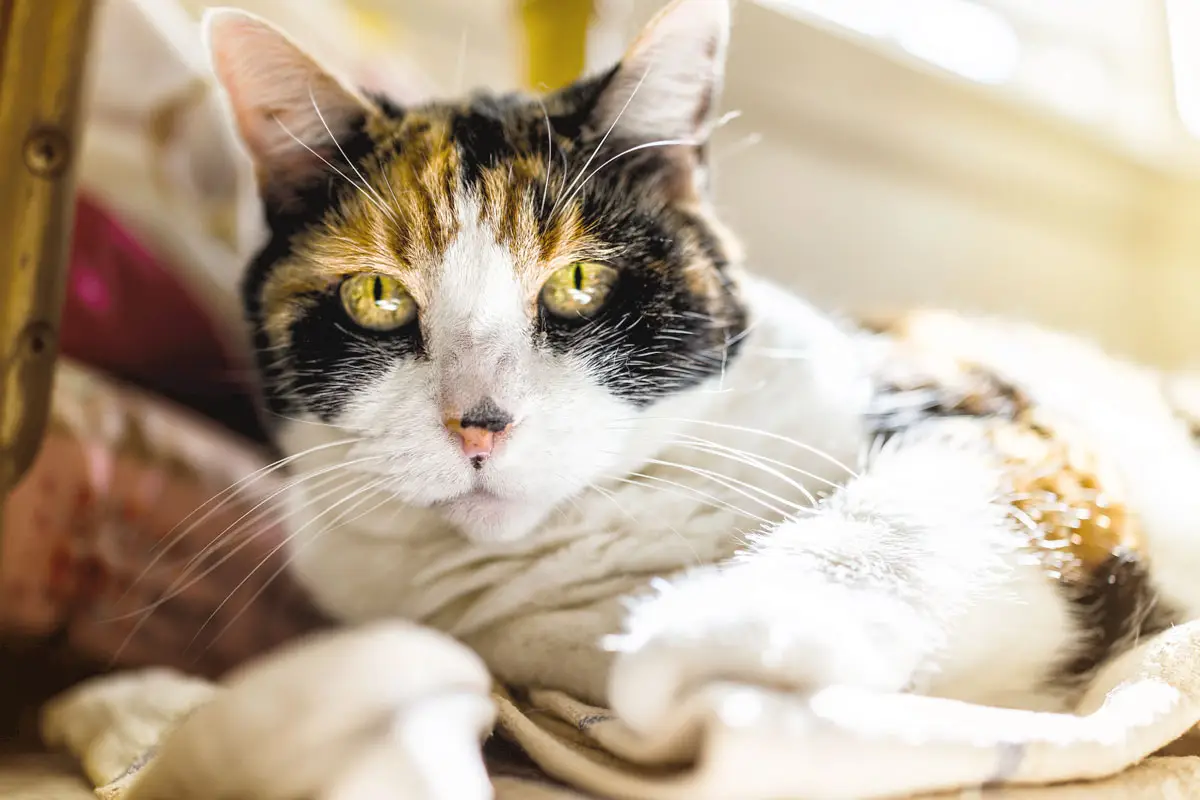
Your cat may be getting older, but they’re still the same cat you’ve spent years getting to know. They still have favorite places to sleep, preferred ways of asking for attention, and opinions about how the household should operate. Some things never change.
Others do. As cats enter their senior years, you may notice differences in their appetite, activity, grooming, mobility, or daily routines. Understanding those changes can make a real difference in how you care for your aging companion.
The good news? Supporting a senior cat doesn’t necessarily require an entirely new approach. Often, it’s about making thoughtful adjustments to the life they already love.
When Is a Cat Considered a Senior?
Cats over 10 years old are generally considered seniors, marking the beginning of a new stage of life and care.
But a birthday doesn’t tell the whole story. Some senior cats remain remarkably active, while others begin showing changes in mobility, appetite, or behavior. Every cat ages differently.
The goal isn’t to stop aging. It’s to recognize your cat’s changing needs while preserving their comfort, independence, and quality of life.
Senior Cat Health: Know What’s Normal for Your Cat
One of the greatest advantages you have as a cat parent is knowing your cat. Nobody in the world knows your cat better than you do.
You know how much they typically eat, where they like to sleep, how they move around the house, and what their normal litter box habits look like. That familiarity becomes especially valuable as your cat grows older.
Changes in weight, appetite, drinking, urination, grooming, activity, or behavior can provide important clues about their health.
Keep Up With Veterinary Visits
Regular veterinary care becomes increasingly important during your cat’s senior years. Even when your cat appears healthy, routine examinations provide an opportunity to discuss changes that might otherwise go unnoticed.
Pay particular attention to:
- Changes in weight or muscle condition
- Increased or decreased appetite
- Changes in thirst or urination
- Difficulty jumping, climbing, or walking
- Reduced grooming or changes in coat condition
- Changes in litter box habits
- Unusual shifts in activity or social behavior
Don’t assume every change is simply part of getting older. If something seems different, bring it to your veterinarian’s attention.
Pay Attention to Kidney Health and Hydration
Healthy kidneys filter waste, balance fluids, and play an essential role in your cat’s overall health. As cats age, kidney health deserves closer attention.
Cats evolved with a relatively low thirst drive, obtaining much of their water from prey. That biology doesn’t change with age, but maintaining adequate hydration becomes especially important for senior cats.
Provide fresh water in easily accessible locations throughout your home. Moisture-rich food can also contribute to your cat’s overall water intake.
Your cat’s litter box can offer useful clues, too. Changes in the size or number of urine clumps may reflect changes in drinking or urination habits. Pay attention to what’s normal for your cat, and discuss persistent changes with your veterinarian.
Senior Cat Nutrition: Maintaining Muscle as Cats Age
Growing older doesn’t necessarily mean your cat needs less protein. In fact, senior cats may need more.
As cats age, they can become less efficient at digesting and utilizing protein. They may also become more vulnerable to losing lean muscle.
Providing adequate, high-quality animal-based protein is an important part of supporting muscle maintenance throughout the senior years.
Rather than focusing on age alone, pay attention to your cat’s weight, body condition, muscle condition, and appetite. An older cat who is losing weight or muscle may have different nutritional needs than one maintaining a healthy body condition.
Understanding how modern cat food has evolved provides useful context for evaluating your cat’s nutritional needs. From ingredient selection to manufacturing methods, the way food is produced can influence its nutritional characteristics. For senior cats, the priority remains providing appropriate nutrition that supports their individual needs.
Dr. Elsey’s cleanprotein™ offers high animal-based protein nutrition designed around the dietary needs of cats. Talk with your veterinarian about whether adjustments to your senior cat’s diet are appropriate, particularly if they have an existing medical condition.
Grooming and Cleanliness: A Little Assistance Goes a Long Way
Cats are meticulous groomers, but maintaining that routine can become more difficult as flexibility and mobility change.
You may notice your senior cat spending less time grooming or having difficulty reaching certain areas of their body.
Gentle brushing can remove loose hair, reduce tangles, and provide an opportunity to check for unusual lumps, bumps, sores, or changes in coat condition.
If your cat needs assistance cleaning around their eyes, nose, or backside, use a soft cloth dampened with warm water and avoid vigorous rubbing.
Keep an eye on their claws, too. Older cats may have more difficulty maintaining their nails through normal scratching. Regular nail checks and appropriate trimming can prevent overgrown claws from becoming uncomfortable or catching on household surfaces.
Grooming should remain a comfortable experience. Pay attention to your cat’s body language and let them determine when they’ve had enough.
Keep Your Senior Cat Moving
Your senior cat may not launch themselves across the living room with quite the same enthusiasm they once did. That doesn’t mean they’ve retired from being a cat.
Scratching, stalking, hunting, climbing, and exploring remain important feline behaviors throughout life.
The key is adapting those activities to your cat’s abilities.
Try shorter, gentler play sessions with toys that stay within comfortable reach. Give your cat opportunities to stalk, pounce, and capture rather than requiring repeated leaps or strenuous movements.
Horizontal scratching surfaces may be easier for some senior cats to use than tall scratching posts. Cardboard boxes, accessible observation spots, and simple food puzzles can also provide opportunities for exploration and mental engagement.
Remember, watching a toy before deciding to pounce is still engagement. Your cat doesn’t need to move like a kitten to enjoy the hunt.
Make Your Home More Comfortable and Accessible
A home your cat has navigated for years may gradually become more challenging as they age.
Favorite window perches might require a bigger jump. A litter box on another floor may become less convenient. Even a familiar sleeping spot can become harder to reach.
Small adjustments can make a meaningful difference.
Provide Comfortable Places to Rest
Senior cats may spend more time sleeping or relaxing, and they should have comfortable options throughout the home.
Provide warm, supportive resting places that are easy to reach. Some cats prefer a quiet retreat, while others want to remain close to household activity.
If your cat enjoys an elevated sleeping spot, consider adding a sturdy step, intermediate platform, or ramp.
The goal isn’t to take away their favorite places. It’s to keep those places within reach.
Keep Essential Resources Accessible
Food, water, litter boxes, scratching surfaces, and resting areas should be available without unnecessary effort.
In multi-cat households, separate feeding areas and multiple resources can give your senior cat more opportunities to eat, drink, and rest comfortably.
Consider where your cat spends most of their time and whether their daily routine requires climbing stairs, jumping, or traveling farther than necessary.
Accessibility isn’t about limiting your cat. It’s about preserving their independence.
Senior Cat Litter Box Care: Comfort Comes First
Your senior cat may have spent years using the same litter box without complaint. But changes in mobility, flexibility, or bathroom habits can make a once-comfortable setup less inviting.
Watch how your cat enters, uses, and exits the litter box.
A lower entry may make access easier, but the box should still provide enough room for your cat to turn, dig, position themselves, and cover their waste comfortably.
Choose a stable, level location and avoid litter mats that create obstacles. If your home has multiple floors, consider providing conveniently located boxes so your cat doesn’t have to travel far.
Keep the litter clean and inviting by scooping at least twice daily.
Familiar Litter Can Make a Difference
Cats experience their environment through a highly developed sense of smell. A litter your cat has used successfully for years is part of their familiar world.
Avoid abrupt changes to litter texture or introducing added fragrances that alter how the litter box smells to your cat. An unscented litter respects your cat’s sense of smell while maintaining a familiar litter box environment.
Cat litter has come a long way, and the evolution of cat litter has introduced a variety of materials and textures designed around different feline needs. For senior cats, the most important consideration is how comfortably and consistently they use the litter beneath their paws.
As cats age, they may also become more particular about how litter feels beneath their paws. Dr. Elsey’s Paw Sensitive™ offers a fine-grain clumping clay litter designed for cats who prefer a softer texture, while Senior Silica Litter provides a fine-grain silica alternative with a natural herbal attractant.
Both offer options worth considering if your senior cat’s litter preferences or physical needs have changed. When introducing a different litter, make the transition gradually and observe how your cat responds.
And remember to pay attention to what your cat does inside the box, not just what they leave behind. Straining, repeated trips, vocalizing, unusual posture, or spending longer than normal in the box may signal a problem that deserves veterinary attention. Difficulty urinating or producing little to no urine requires immediate veterinary care.
Respect Your Senior Cat’s Changing Senses and Routines
As cats age, changes in vision, hearing, or mobility may affect how they navigate their surroundings.
Familiarity can become especially valuable.
Keep essential resources in predictable locations, avoid unnecessary changes to established routines, and provide comfortable places where your cat feels secure.
If your cat has difficulty seeing or hearing, approach them gently and avoid startling them. Thoughtful adjustments to lighting and accessibility may also make familiar spaces easier to navigate.
Strong fragrances, unfamiliar sounds, and sudden environmental changes can alter a space your cat has known for years.
That doesn’t mean your senior cat should never experience anything new. Enrichment still matters. But new experiences don’t need to replace the familiar things your cat already appreciates.
Your Senior Cat Still Needs Connection
Years together create a relationship shaped by thousands of small interactions.
You know where your cat likes to be scratched, how they ask for attention, and when they’d rather be left alone.
As cats grow older, the ways they seek affection may change. A cat who once jumped into your lap might prefer resting beside you. Another may still insist on supervising everything you do.
Continue offering gentle play, grooming, affection, and opportunities to interact, while respecting your cat’s preferences.
Sometimes love looks like climbing into your lap. Sometimes it’s choosing to sleep a few feet away because that’s where they’re most comfortable.
Why Adopting a Senior Cat Deserves a Second Look
Senior cats are sometimes overlooked in shelters in favor of younger cats and kittens. But an older cat can be a wonderful companion.
Many senior cats have established personalities and familiar routines. You may have a clearer picture of their activity level, social preferences, and how they interact with people or other animals.
Some may already have well-established litter box habits, making the transition into a new home easier.
Of course, every cat is an individual. A senior cat may need time, patience, and thoughtful adjustments to settle into unfamiliar surroundings.
For someone looking to welcome a feline companion into their life, an older cat deserves serious consideration. There are plenty of good years, meaningful connections, and afternoon cat naps still to come.
A Lifetime of Knowing Your Cat
The senior years are an opportunity to put everything you’ve learned about your cat to work.
Their favorite places, daily rituals, individual preferences, and ways of asking for attention have become part of the life you’ve shared.
Supporting your senior cat means continuing to adapt their care while preserving the comfort, independence, and experiences that bring them joy.
Looking for more ways to support your cat through their senior years? Explore our Year of the Cat Senior Calendar, featuring practical monthly guidance on nutrition, mobility, enrichment, litter box care, and the everyday routines that keep senior cats comfortable and engaged.
Growing older doesn’t make your cat any less of a cat. And nobody knows your cat quite like you do.